The Wild Coast: South Africa’s Last Great Coastal Frontier
A Place That Feels Untouched
In a world where many of the planet’s most beautiful destinations have become crowded and heavily developed, South Africa’s Wild Coast remains refreshingly different.
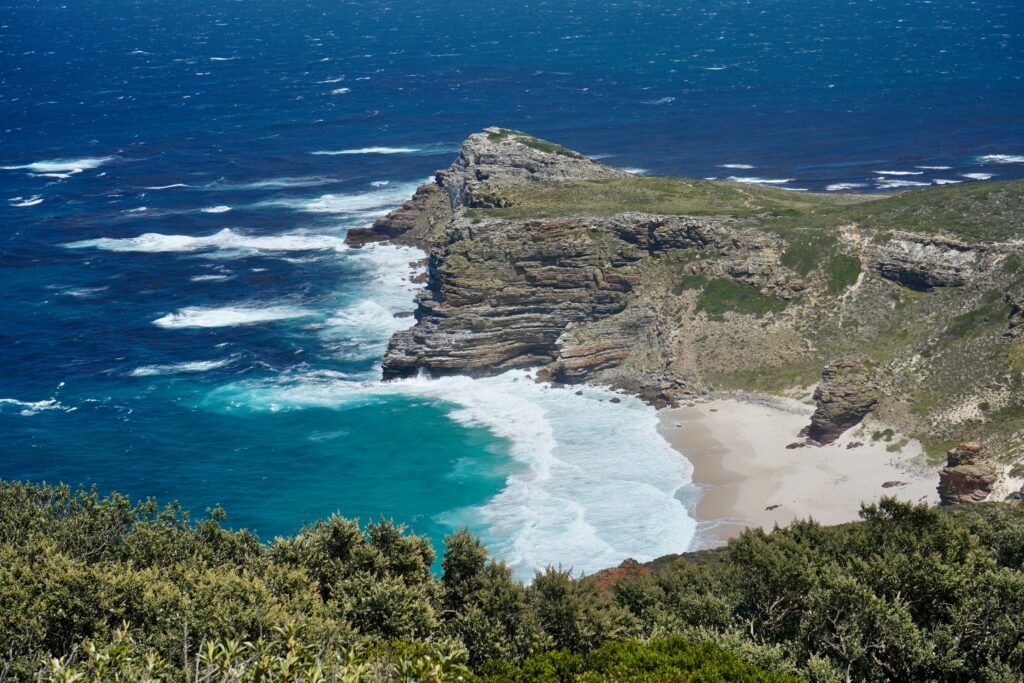
Stretching along the Eastern Cape between East London and Port Edward, this rugged coastline is one of the country’s last great wilderness regions. Here, rolling green hills meet dramatic cliffs, secluded beaches extend for kilometres without interruption, and traditional rural villages overlook an ocean that has shaped life along these shores for generations.
Unlike some of South Africa’s better-known tourism destinations, the Wild Coast offers something increasingly rare: the feeling of discovering a place that still belongs to nature.
For travellers seeking authenticity, tranquillity, and extraordinary scenery, few destinations rival this remarkable corner of South Africa.
Where Nature Still Sets the Pace
The Wild Coast earns its name honestly.
The landscape is untamed and dramatic. Deep river gorges cut through rolling hills before emptying into the Indian Ocean. Coastal forests cling to steep slopes, while winding footpaths connect villages, beaches, and viewpoints that seem untouched by time.
There are no sprawling resort districts dominating the coastline. Instead, visitors encounter open spaces, quiet beaches, grazing cattle, and breathtaking ocean vistas.
Life moves at a slower pace here.
The result is a destination that feels deeply connected to the natural world.
Coffee Bay: The Gateway to the Wild Coast
For many travellers, Coffee Bay serves as the introduction to the Wild Coast.
Nestled beside a picturesque bay, this laid-back coastal village has become one of the region’s most popular destinations while retaining its relaxed character. Backpackers, hikers, families, and international visitors are all drawn by the area’s spectacular scenery and welcoming atmosphere.
The beaches are ideal for long walks, while the surrounding hills provide stunning viewpoints overlooking the coastline.
Despite its growing popularity, Coffee Bay remains delightfully unspoiled compared to many coastal destinations elsewhere in the world.
The Hole in the Wall: Nature’s Masterpiece
Perhaps no landmark symbolises the Wild Coast more than the famous Hole in the Wall.
Located a short distance from Coffee Bay, this extraordinary rock formation rises from the ocean with a natural opening carved through its centre by centuries of wave action.
At sunrise and sunset, the landmark becomes particularly striking as light reflects off the water and illuminates the rugged coastline surrounding it.
The walk to Hole in the Wall is part of the experience, offering spectacular views that reveal the raw beauty of the region.
For photographers, hikers, and nature lovers, it remains one of South Africa’s most iconic coastal attractions.
A Paradise for Hikers
The Wild Coast is widely regarded as one of South Africa’s premier hiking destinations.
Unlike many trails that follow established tourism infrastructure, hiking routes here often pass through remote landscapes where nature remains largely untouched. Walkers encounter secluded beaches, dramatic cliffs, waterfalls, estuaries, and traditional rural communities along the way.
The famous Wild Coast Trail attracts visitors from around the world and is often described as one of Africa’s most rewarding coastal hikes.
Even shorter walks offer memorable experiences, with breathtaking scenery around almost every corner.
For travellers who enjoyed the landscapes featured in The World’s Greatest Road Trip? Driving South Africa’s Garden Route, the Wild Coast provides an even more remote and adventurous experience.
Culture and Community
The Wild Coast is not only a destination of natural beauty but also a region rich in cultural heritage.
Many local communities continue to maintain traditional ways of life that have been passed down through generations. Visitors travelling through the area encounter vibrant villages, local markets, traditional architecture, and warm hospitality.
Experiencing the Wild Coast offers an opportunity to connect with a side of South Africa that many international visitors rarely see.
The cultural richness of the region adds depth and meaning to every journey.
Beaches Without Crowds
One of the Wild Coast’s greatest luxuries cannot be measured in stars or ratings.
It is space.
Visitors often find themselves walking along vast stretches of beach with few other people in sight. The coastline feels expansive and peaceful, offering a welcome contrast to some of the world’s busier beach destinations.
Whether you’re watching waves roll in from a cliff top, enjoying a picnic beside an estuary, or simply walking barefoot along the shoreline, the sense of freedom is unmistakable.
This is coastal travel stripped back to its essentials.
Wildlife Along the Shore
Although the Wild Coast is best known for its landscapes, wildlife also plays an important role in the region’s appeal.
Dolphins are frequently spotted offshore, while migrating whales pass along the coastline during certain times of the year. Birdlife is abundant, and the region’s rivers, estuaries, and forests support a rich variety of species.
Travellers interested in marine wildlife may also enjoy Beyond the Big Five: Discover South Africa’s Secret Marine Safari, which explores South Africa’s extraordinary coastal biodiversity and whale-watching opportunities.
Together, these experiences reveal just how diverse South Africa’s coastline truly is.
Reaching the Wild Coast
Part of the region’s appeal lies in the journey itself.
Many visitors arrive by road, travelling from Durban, East London, or Mthatha. The drive offers beautiful scenery, with rolling hills and dramatic coastal views unfolding along the route.
While the Wild Coast requires a little more effort to reach than some mainstream tourist destinations, that effort is rewarded by a level of authenticity and natural beauty that is increasingly difficult to find.
For travellers seeking an adventure beyond the typical tourism trail, the journey becomes part of the experience.
The Best Time to Visit
The Wild Coast can be enjoyed throughout the year.
Summer brings warm temperatures and vibrant coastal landscapes, while autumn and spring offer pleasant conditions for hiking and exploring.
Winter remains relatively mild compared to many international destinations and attracts visitors looking for quieter beaches and dramatic ocean views.
Each season reveals a different side of the coastline, ensuring that the region retains its appeal no matter when you arrive.
A Different Side of South Africa
Many visitors arrive in South Africa expecting world-famous safaris, vibrant cities, and spectacular wine estates.
Those experiences are certainly worth exploring.
Yet destinations such as the Wild Coast reveal another side of the country, one defined not by famous landmarks or luxury attractions but by simplicity, authenticity, and natural beauty.
Travellers exploring the vineyards featured in South Africa’s Wine Country: More Than Just Wine or the attractions highlighted in Cape Town: The City Where Mountains Meet the Ocean often discover that the Wild Coast provides a completely different, yet equally rewarding, experience.
Together, they showcase the extraordinary variety that makes South Africa such a compelling destination.
South Africa’s Best-Kept Coastal Secret
The Wild Coast is not a destination for travellers seeking crowded attractions or tightly packed itineraries.
It is a place for those who value space, scenery, and genuine experiences.
Its dramatic coastline, welcoming communities, remote beaches, and untouched landscapes offer a glimpse of a world that is becoming increasingly rare.
For visitors willing to venture beyond South Africa’s most familiar destinations, the reward is unforgettable.
The Wild Coast remains one of the country’s greatest treasures, a spectacular coastal frontier waiting to be discovered.