The Remote Work Neighborhood Guide: Evaluating Durban’s Core Hubs for Workability, Safety, and Connectivity
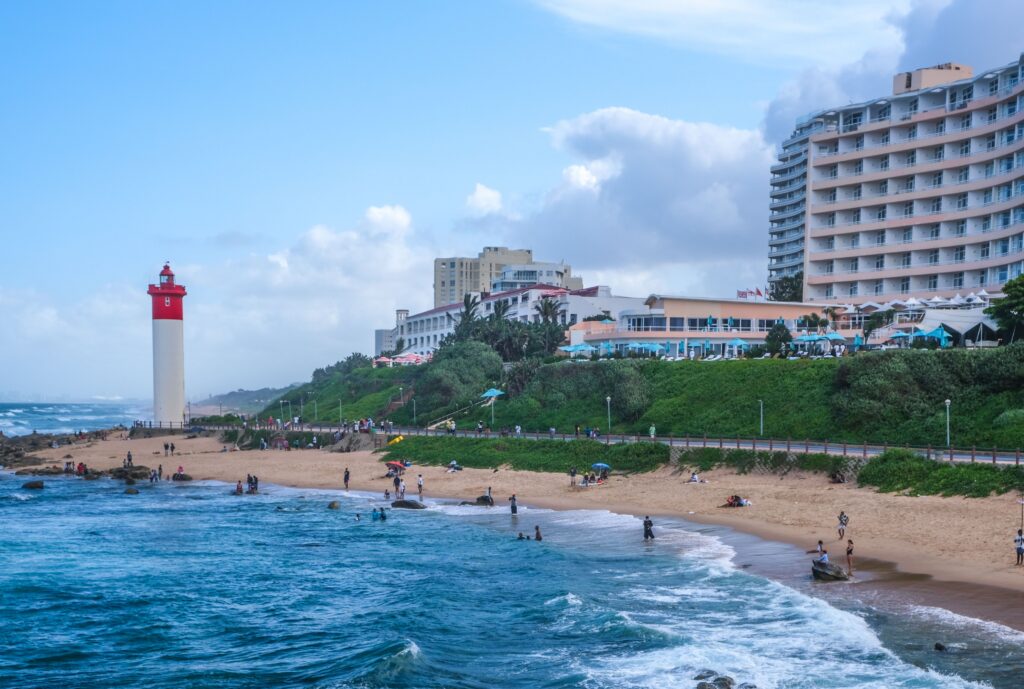
Relocating your remote workspace to Durban—South Africa’s premier sub-tropical gateway—unlocks a relaxed, outdoor-centric operational rhythm that neither Cape Town nor Johannesburg can replicate. Flanked by the warm waters of the Indian Ocean, the city offers over 300 days of annual sunshine, a highly competitive cost of living, and an authentic, multicultural baseline shaped by the largest Indian diaspora outside of India. For digital nomads and independent business owners, working from Durban means lower monthly overheads. However, it requires carefully choosing an anchor point where modern corporate infrastructure and community security networks successfully overlap.
Maximising your output in Durban depends heavily on choosing an area tailored to your specific logistical constraints. This granular guide evaluates Durban’s four primary remote work hubs—Umhlanga, Morningside, Glenwood, and the Golden Mile—specifically analyzing their day-to-day workability, lifestyle fit, local security frameworks, and technical infrastructure.
Umhlanga: The Premium Coastal Tech Enclave
Ideal Resident Profile
Umhlanga is the ultimate base for corporate remote employees, international digital nomads, and families who demand a premium, low-friction, hyper-secure lifestyle. If your business depends heavily on uninterrupted infrastructure, high-end lifestyle amenities, and zero-compromise security protocols, this upscale north-coast district delivers a seamless plug-and-play experience. It is perfectly optimized for slow-traveling couples and professionals who prefer a manicured coastal layout where a car is rarely necessary for day-to-day logistics.
What It Offers
- Resilient Infrastructure: The commercial nodes of Umhlanga Ridge house top-tier corporate offices and co-working hubs (like Connect Space), boasting robust grid backups that smoothly handle load-shedding.
- Flawless Pedestrian Spaces: The central village and the expansive beachfront promenade offer an elite, clean environment for walking, running, and dining out.
- Top-Tier Security: Heavily monitored by the Umhlanga Urban Improvement Precinct (UIP), utilizing dedicated private patrollers and extensive camera feeds to maintain a low-risk profile day and night.
What It Lacks
- Bohemian or Gritty Character: The environment is highly corporate, commercialised, and affluent, lacking the organic counter-culture, historic architecture, or alternative art circles of Durban’s older suburbs.
- Budget Accessibility: Rent and general dining costs are exceptionally high relative to the rest of the city, placing it firmly in the premium pricing tier.
Estimated Rental Ranges
- 1-Bedroom / Studio Apartment: R9,500 – R15,000 per month ($545 – $860 USD)
- 2-Bedroom Apartment: R16,000 – R25,000 per month ($915 – $1,430 USD)
- 3-Bedroom Family Home / Secure Townhouse: R28,000 – R45,000+ per month ($1,600 – $2,575+ USD)
Estimated Cost of Living
- Single Individual: R23,000 – R32,000 per month ($1,315 – $1,830 USD) including a high-rise studio, shared workspace fees, and upscale dining.
- Partners / Couples: R38,000 – R52,000 per month ($2,175 – $2,975 USD) combined, living in a modern apartment block with built-in power backups.
- Small Families with Kids: R65,000 – R90,000 per month ($3,720 – $5,150 USD), keeping in mind that local private schooling and executive childcare add significantly to the monthly baseline.
Morningside: The Vibrant Café and Social Sector
Ideal Resident Profile
Morningside is highly tailored for content creators, marketing agency founders, and highly social freelancers who want to be positioned at the heart of Durban’s culinary and entertainment landscape. Centered around the iconic Florida Road, this neighborhood is ideal for solo travelers and outgoing remote professionals who view networking, diverse restaurant spots, and a bustling nightlife scene as essential components of their daily workflow.
What It Offers
- Durban’s Premier Strip: Direct access to Florida Road, a vibrant culinary avenue filled with independent coffee spots (like Skyline), bars, and creative studios.
- Architectural Charm: Leafy, tree-lined avenues dominated by beautifully preserved Edwardian and Victorian architecture with grand verandas.
- Active Community Vibe: Strong community revitalization efforts have transformed the main strip into a youthful, wellness-oriented hub for social running groups and active morning routines.
What It Lacks
- Weekend Quiet: The proximity to popular nightspots introduces significant weekend noise, vehicle traffic, and club crowds that can spill into neighboring streets.
- Uniform Power Redundancy: While major commercial buildings along Florida Road are well-equipped, residential avenues feature older power lines where individual rental properties often require separate backup solutions.
Estimated Rental Ranges
- 1-Bedroom / Studio Apartment: R7,000 – R11,000 per month ($400 – $630 USD)
- 2-Bedroom Apartment / Flat: R11,500 – R16,500 per month ($660 – $945 USD)
- 3-Bedroom Character Property: R19,000 – R28,000 per month ($1,090 – $1,600 USD)
Estimated Cost of Living
- Single Individual: R18,000 – R25,000 per month ($1,030 – $1,430 USD), supporting a busy lifestyle centered around cafe working and evening socializing.
- Partners / Couples: R28,000 – R40,000 per month ($1,600 – $2,290 USD) combined, allowing for frequent dining out along the main thoroughfare.
- Small Families with Kids: R48,000 – R68,000 per month ($2,750 – $3,890 USD), offering a central urban base near good local schools, though requiring property-specific security checks.
Glenwood: The Bohemian Creative and Academic Haven
Ideal Resident Profile
Glenwood serves as the ideal ecosystem for writers, visual artists, software engineers, and budget-conscious entrepreneurs who favor a gritty, intellectual community over corporate polish. Bordering the local university campus, this leafy hill suburb appeals to self-reliant remote workers who value independent bookstores, micro-breweries, artisan bakeries, and organic networking with local creatives.
What It Offers
- Organic Workspace Culture: Home to historic cafes like the Glenwood Bakery and Antique Café, which double as unofficial morning hot-desking spaces for local intellectuals.
- Exceptional Lifestyle Value: Significantly lower rental rates for large properties with private gardens and distinct architectural character.
- Central Connectivity: Excellent geographic positioning that makes traveling down to the central beaches or up to the commercial districts simple and efficient.
What It Lacks
- Automated Grid Redundancy: Freestanding properties and independent neighborhood cafes rarely have built-in backup power systems, making it necessary for remote workers to carry a portable UPS or heavy power bank during regional maintenance.
- Heightened Security Awareness: The sprawling, leafy layout requires a proactive security approach; while neighborhood watches patrol the area, opportunistic crime and petty theft require strict perimeter protocols.
Estimated Rental Ranges
- 1-Bedroom Garden Cottage / Flatlet: R5,000 – R8,000 per month ($285 – $460 USD)
- 2-Bedroom Terraced House / Apartment: R8,500 – R13,000 per month ($485 – $745 USD)
- 3-Bedroom Freestanding Family Home: R14,500 – R21,000 per month ($830 – $1,200 USD)
Estimated Cost of Living
- Single Individual: R13,000 – R19,000 per month ($745 – $1,090 USD), facilitating a highly affordable, community-entwined remote lifestyle.
- Partners / Couples: R21,000 – R31,000 per month ($1,200 – $1,775 USD) combined, ensuring a massive living space with plenty of surplus income for travel.
- Small Families with Kids: R36,000 – R52,000 per month ($2,060 – $2,975 USD), representing a highly affordable neighborhood filled with parks and large family yards, provided the property is well-fortified.
The Golden Mile: The High-Energy Oceanfront Strip
Ideal Resident Profile
The Golden Mile is designed specifically for surf-loving digital nomads, fitness enthusiasts, and budget-conscious solo travelers who want to step out of their front door directly onto the sand. If your remote workflow is fueled by sunrise ocean swims, midday surf sessions, and ocean views from your monitor, this high-density beachfront apartment strip provides the ultimate coastal workspace integration at an incredibly low price point.
What It Offers
- Unrivaled Beach Access: Immediate proximity to Durban’s world-class surf breaks, paved beachfront boardwalks, and coastal swimming pools.
- Oceanfront Café Workability: Iconic boardwalk establishments like Surf Riders Café offer reliable internet networks mixed with ocean breezes for casual laptop sessions.
- Affordable High-Rise Living: The high density of art-deco apartment blocks offers expansive Indian Ocean views for a fraction of the cost of premium northern suburbs.
What It Lacks
- Inconsistent Commercial Backup: While large hotel complexes along the strip are fully backed up, residential apartment buildings frequently face elevator and internet downtime during local power grid issues.
- Strict Security Geofencing: While the promenade itself is heavily patrolled by Metro Police during daylight hours, the blocks directly behind the beachfront transition rapidly into the dense inner city. Remote workers must remain highly alert and use rideshares exclusively after dark.
Estimated Rental Ranges
- 1-Bedroom Beachfront Apartment: R5,500 – R8,500 per month ($315 – $485 USD)
- 2-Bedroom Ocean-View Flat: R9,000 – R13,500 per month ($515 – $770 USD)
- 3-Bedroom Beachfront Apartment: R15,000 – R22,000 per month ($860 – $1,260 USD)
Estimated Cost of Living
- Single Individual: R12,000 – R18,000 per month ($685 – $1,030 USD), prioritizing an active, outdoor-heavy lifestyle centered entirely around the promenade.
- Partners / Couples: R19,000 – R27,000 per month ($1,090 – $1,545 USD) combined, taking advantage of affordable ocean-view high-rises.
- Small Families with Kids: R32,000 – R45,000 per month ($1,830 – $2,575 USD); however, the high urban density, tourist foot traffic, and lack of immediate private school yards make the central strip less popular for long-term family rearing.
Planning Your Move?
Before finalizing your sub-tropical workspace, make sure to read our detailed guide on South Africa’s Digital Nomad Visa Entry Paths to understand how to legally structure your freelance or corporate remote stay. If you are still trying to choose your ultimate base on the South African coast, browse our head-to-head comparison on the Cost of Living in Cape Town vs Durban to see how far your currency will stretch when choosing the Indian Ocean over the Atlantic Seaboard.