The Remote Work Neighborhood Guide: Evaluating Cape Town’s Core Hubs for Workability, Safety, and Connectivity
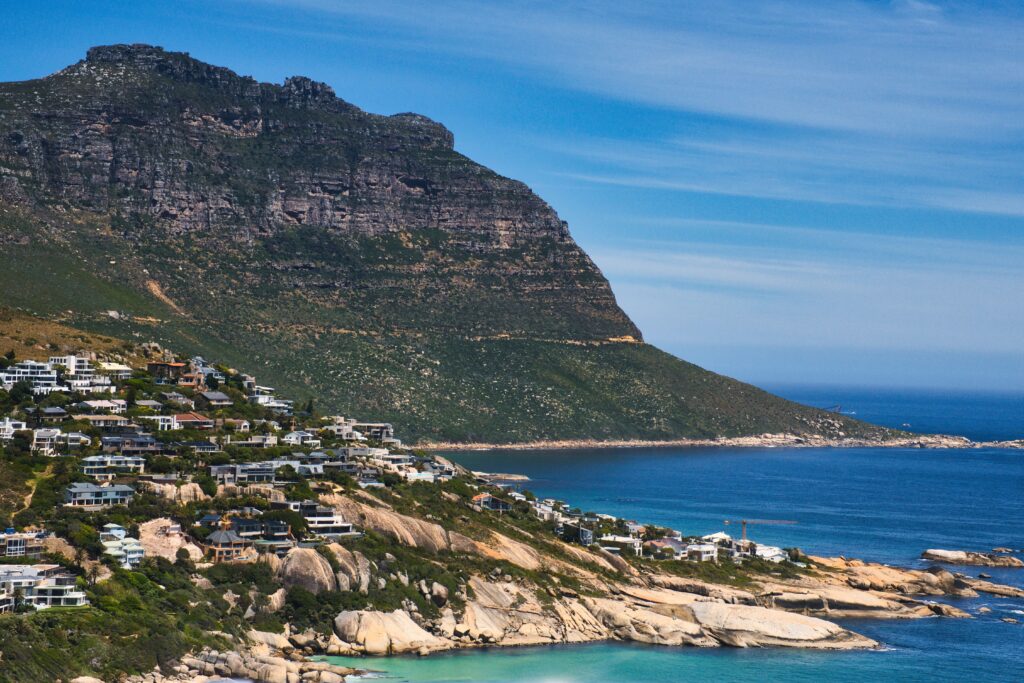
Relocating your digital nomad setup or freelance business to Cape Town offers an unparalleled lifestyle, blending dramatic coastal topography with a thriving cafe culture. However, the geographic diversity of the Mother City means that choosing a base camp drastically alters your daily operational reality. A distance of just a few kilometers separates dense urban commerce from laid-back oceanside suburbs, with each district presenting distinct profiles for transit, local security, and internet infrastructure.
For remote professionals who require uninterrupted productivity, picking a neighborhood involves balancing lifestyle appeal with strict logistical infrastructure. This granular guide evaluates Cape Town’s four primary remote work hubs—Sea Point, Green Point, Woodstock, and the Central Business District (CBD)—specifically analyzing their day-to-day workability, neighborhood safety protocols, and the reliability of their wireless networks.
Sea Point: The Premium Oceanside Sanctuary
Ideal Resident Profile
This neighborhood works best for corporate remote workers, established freelancers, and slow-traveling couples who prioritize physical wellness, morning routines, and a seamless, low-friction daily structure. Because Sea Point functions essentially as a self-contained coastal strip, it is perfect for professionals who want to completely ditch the car. The combination of a flat five-kilometer promenade, dense health cafes, and immediate access to grocery stores means anyone needing a highly predictable, high-comfort environment with built-in lifestyle perks will thrive here.
What It Offers
- Ultimate Walkability: Run errands, visit the gym, or grab a coffee within a five-minute foot radius.
- Active Lifestyle Integration: Immediate access to the oceanfront promenade for running, cycling, or ocean swimming.
- High-Tier Backups: Widespread commercial-grade power backups in newer apartment blocks and popular cafes, minimizing remote work disruptions caused by local power grid fluctuations.
What It Lacks
- Edgy or Counter-Culture Character: The vibe is heavily manicured, residential, and family-oriented, which can feel sterile for younger travelers seeking a gritty underground music or art scene.
- Affordability: You pay a steep premium for proximity to the Atlantic Seaboard; retail prices and dining costs are among the highest in the city.
Estimated Rental Ranges
- 1-Bedroom / Studio Apartment: R14,000 – R22,000 per month ($800 – $1,250 USD)
- 2-Bedroom Apartment: R25,000 – R35,000 per month ($1,400 – $2,000 USD)
- 3-Bedroom Family Home / Large Flat: R40,000 – R60,000+ per month ($2,300 – $3,450+ USD)
Estimated Cost of Living
- Single Individual: R28,000 – R38,000 per month ($1,600 – $2,200 USD) including a mid-range studio, co-working expenses, dining out, and groceries.
- Partners / Couples: R45,000 – R60,000 per month ($2,600 – $3,450 USD) combined, factoring in a premium two-bedroom apartment and lifestyle activities.
- Small Families with Kids: R75,000 – R105,000 per month ($4,300 – $6,000 USD), keeping in mind that local private schooling or specialized childcare adds heavily to the bottom line.
Green Point: The Balanced Active Hub
Ideal Resident Profile
Green Point is highly suited for fast-moving digital nomads, tech-sector expats, and fitness-focused professionals. It serves as a middle ground for individuals who want easy access to the nightlife and corporate networks of the city center, but still want to wake up next to a massive park and a running track. It is especially popular with solo travelers because the high density of modern aparthotels and co-living spaces makes it incredibly easy to network and find a community quickly.
What It Offers
- Geographic Commuting Balance: Perfectly positioned within walking distance of both the V&A Waterfront and the central business hub.
- Green Space Access: The Green Point Urban Park provides a peaceful, manicured escape for mid-day screen breaks.
- Nomad Infrastructure: High volume of modern, work-centric accommodation options specifically optimized for plug-and-play tenants.
What It Lacks
- True Neighborhood Intimacy: Because it acts as a thoroughfare connecting the city to the sea, the main strip can feel highly transient, characterized by heavy traffic along Main Road during rush hour and match days at the stadium.
- Quiet Footpaths: The lower sections are highly urbanised, meaning peace and quiet are usually restricted to the steeper, more expensive streets climbing up Signal Hill.
Estimated Rental Ranges
- 1-Bedroom / Studio Apartment: R13,500 – R20,000 per month ($770 – $1,150 USD)
- 2-Bedroom Apartment: R24,000 – R34,000 per month ($1,380 – $1,950 USD)
- 3-Bedroom House / Townhouse: R38,000 – R55,000 per month ($2,180 – $3,150 USD)
Estimated Cost of Living
- Single Individual: R26,000 – R36,000 per month ($1,500 – $2,050 USD) utilizing local fitness clubs, cafes, and shared workspaces.
- Partners / Couples: R42,000 – R58,000 per month ($2,400 – $3,330 USD) combined, allowing for frequent dining along Somerset Road’s restaurant strip.
- Small Families with Kids: R70,000 – R95,000 per month ($4,000 – $5,450 USD), leaning heavily on the outdoor amenities of the urban park.
The Central Business District: The High-Energy Urban Core
Ideal Resident Profile
The CBD is the perfect ecosystem for content creators, agency owners, financial consultants, and networking-heavy professionals. It is tailored for individuals who look at urban density as inspiration rather than a distraction. If your business depends on frequent face-to-face client meetings, constant collaboration, high-end studio setups, or capturing dynamic street aesthetics, the corporate infrastructure and non-stop movement of the city center feed directly into that workflow.
What It Offers
- Premium Workspace Redundancy: Home to top-tier co-working chains featuring commercial-grade generators that handle grid instability seamlessly.
- Culinary and Cultural Variety: Dozens of world-class restaurants, galleries, and coffee spots right outside your lobby door.
- Lower Central Rents: Relative to the nearby Atlantic Seaboard, high-rise apartments in the CBD offer slightly more space and better views for a lower price tag.
What It Lacks
- Unwind Space: There is virtually no immediate natural green space or ocean access; the environment is entirely concrete, glass, and asphalt.
- After-Hours Peace: Street noise, sirens, and pedestrian traffic remain constant throughout the week, and safety requirements become much stricter the moment office workers head home for the evening.
Estimated Rental Ranges
- 1-Bedroom / Studio Apartment: R11,000 – R16,500 per month ($630 – $950 USD)
- 2-Bedroom Apartment: R18,000 – R27,000 per month ($1,030 – $1,550 USD)
- 3-Bedroom High-Rise Penthouse: R32,000 – R48,000 per month ($1,840 – $2,750 USD)
Estimated Cost of Living
- Single Individual: R22,000 – R32,000 per month ($1,260 – $1,840 USD) factoring in high-end co-working hot desks and regular rideshare usage.
- Partners / Couples: R35,000 – R50,000 per month ($2,000 – $2,870 USD) combined, making the most of central inner-city living without vehicle maintenance fees.
- Small Families with Kids: R60,000 – R85,000 per month ($3,450 – $4,880 USD); however, the lack of private yards or nearby family playgrounds makes the inner CBD less popular for those raising children.
Woodstock: The Creative, Gritty Innovation Sector
Ideal Resident Profile
Woodstock caters directly to independent artisans, software engineers, visual artists, and budget-conscious bootstrap entrepreneurs. It suits self-reliant remote workers who view a neighborhood’s rough-around-the-edges vibe as a sign of authenticity and creative freedom rather than a drawback. It is perfect for those who want a sprawling, industrial loft space to double as a photography, design, or production studio without paying the premium rates of the coastal suburbs.
What It Offers
- Spacious Industrial Real Estate: Converted factories provide massive, open-plan spaces ideal for creative layouts or live-work setups.
- Grassroots Community: Surrounded by independent craft markets, micro-roasteries, and experimental tech-startups.
- Affordable Base Tier: Offers the lowest entry-level cost for both accommodation and daily living among the four primary hubs.
What It Lacks
- Uniform Safety: The area requires high security awareness; opportunistic crime is more prevalent here, and you cannot walk carelessly between pockets of the neighborhood with electronics out.
- Predictable Infrastructure: While major commercial complexes are highly fortified, independent houses and smaller cafe networks often lack automated backup power systems during load-shedding cycles.
Estimated Rental Ranges
- 1-Bedroom / Studio Apartment: R8,500 – R13,000 per month ($490 – $750 USD)
- 2-Bedroom Apartment / Terraced House: R14,000 – R22,000 per month ($800 – $1,250 USD)
- 3-Bedroom Renovated Home: R24,000 – R35,000 per month ($1,380 – $2,000 USD)
Estimated Cost of Living
- Single Individual: R18,000 – R26,000 per month ($1,030 – $1,500 USD), offering a comfortable lifestyle focused around local markets and shared creative spaces.
- Partners / Couples: R28,000 – R42,000 per month ($1,600 – $2,400 USD) combined, allowing for a generous living space and plenty of disposable income for travel.
- Small Families with Kids: R50,000 – R72,000 per month ($2,870 – $4,130 USD), representing an affordable metropolitan option, provided the property has dedicated, secure perimeter protection.
Planning Your Move?
Before finalising your relocation, make sure to read our comprehensive Cape Town Digital Nomad Visa Guide to understand the new income requirements and application timelines for remote workers. If you are still weighing other options across the country, check out our comparative look at the Cost of Living in South Africa for Digital Nomads to see how the Mother City stacks up against quieter coastal towns.