Beyond the Memoirs: 5 Contemporary South African Books Exploring Modern Urban Culture

When international travelers and remote professionals prepare for a journey to South Africa, literary recommendations almost universally lean toward foundational anti-apartheid memoirs or historical autobiographies. While these classic texts remain essential for understanding the political framework of the past, they often leave a gap regarding the lived experience of modern, twenty-first-century South Africans. The country has evolved into a vibrant, complex landscape of booming urban hubs, creative micro-cultures, and global digital influences that require a more contemporary literary lens.
To truly comprehend the rhythm of modern South African cities like Johannesburg and Cape Town, readers must look to the fiction and essays emerging from the post-apartheid generation. Gaining this deeper cultural understanding is just as critical as preparing for the physical environments of the country, whether you are trying to understand the psychological shift required after a wild week of game drives as outlined in our post-safari recovery guide, or simply trying to blend in with the local creative crowd. The following selection of contemporary literature bypasses the standard historical curriculum, offering sharp, nuanced, and beautifully written insights into the identity, social movements, and daily realities of the modern nation.
Navigating Identity and Consumer Culture in the Suburban Landscape
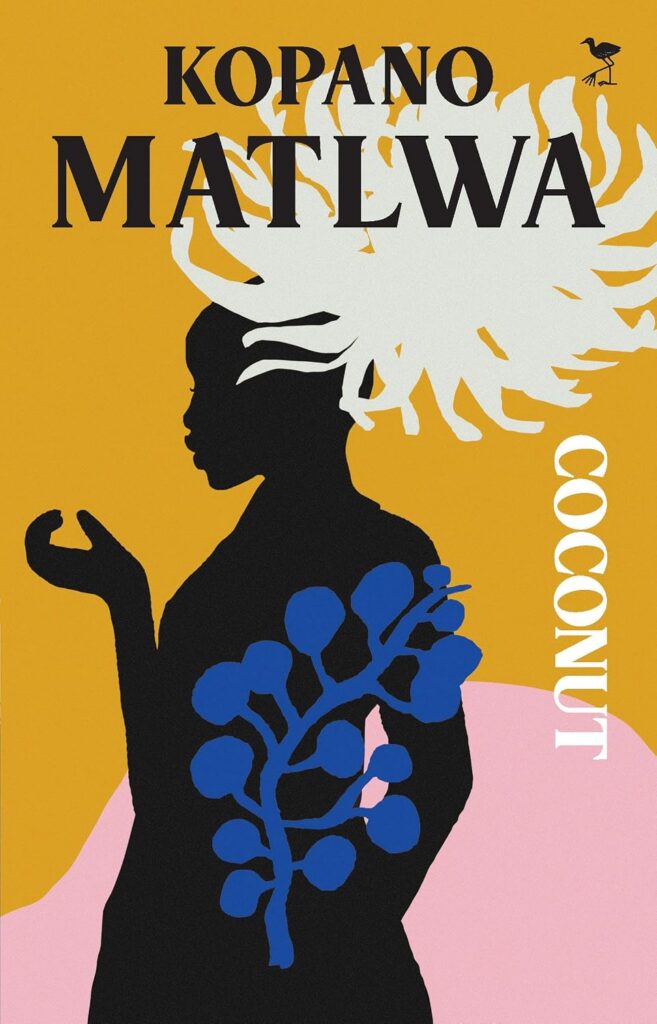
Understanding the social nuances of the modern South African middle class requires looking at the friction between traditional cultural expectations and the allure of Westernized corporate spaces. Kopano Matlwa addresses this dynamic with exceptional precision in her acclaimed debut novel, Coconut.
The story unfolds through the perspectives of two young Black women navigating the upscale, historically white institutions of suburban Johannesburg. Matlwa expertly dissects the psychological toll of assimilation, examining how language, aesthetics, and economic status dictate belonging in the modern era. It provides an essential window for outsiders looking to understand the complex internal dynamics of the post-1994 generation as they carve out their spaces in corporate and social environments.
The Raw Energy and Complexities of Urban Migration

For a stark look at the migration patterns, economic survival strategies, and intense social changes that define South Africa’s dense residential hubs, Phaswane Mpe’s Welcome to Our Hillbrow serves as a landmark text.
The narrative centers on the notorious, hyper-dense neighborhood of Hillbrow in Johannesburg, tracking the movement of young intellectuals and creatives as they transition from rural university life into the chaotic heart of the city. Mpe avoids sugarcoating the harsh realities of urban life, dealing openly with the pressures of xenophobia, the impact of health crises, and the fierce ambition driving the youth. The book is texturally rich, capturing the specific linguistic rhythms, anxieties, and unique vitality that fuel inner-city Johannesburg.
Subverting the Traditional Thriller in Contemporary Cape Town
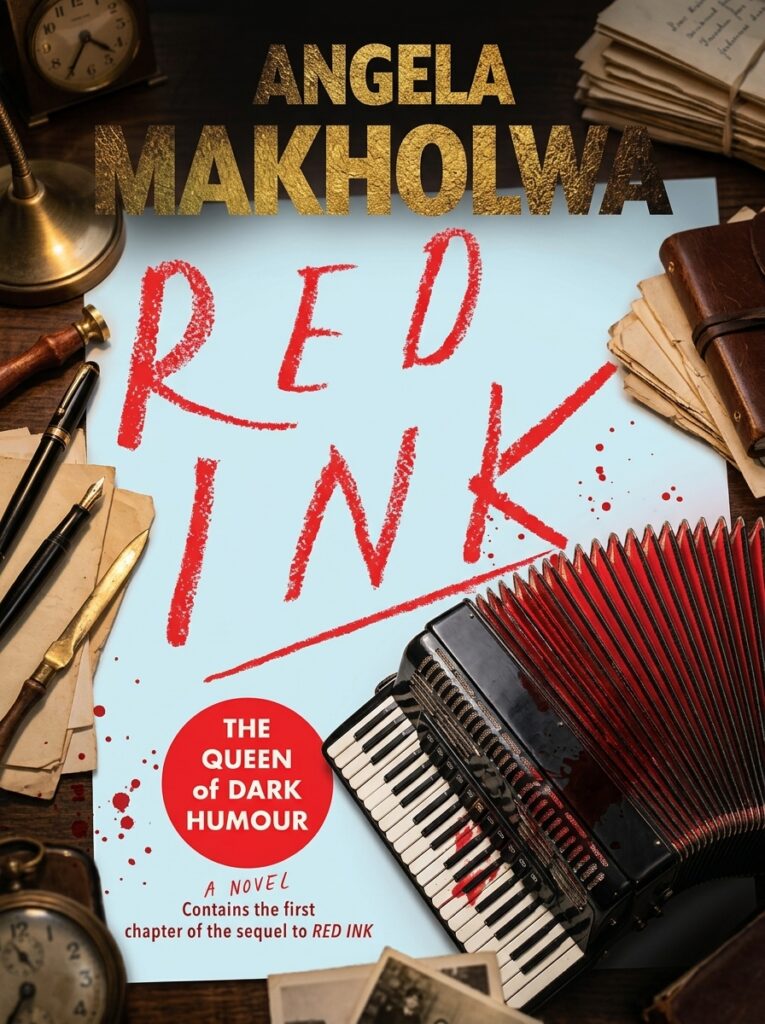
While Cape Town is globally celebrated for its breathtaking coastal landscapes and relaxed lifestyle, contemporary literature often uses the city as a backdrop to explore underlying social tensions and the realities of modern safety. Angela Makholwa delivers a gripping, psychological exploration of this environment in her brilliant novel, Red Ink.
Recognized as a landmark contribution to the domestic crime fiction genre, the story follows a sharp, modern public relations professional who becomes entangled with a convicted serial killer while working on a book project. Makholwa uses the momentum of the mystery genre to explore the professional ambitions, dating cultures, and distinct security realities faced by modern independent women living in South Africa’s major metropolitan areas, subverting traditional narratives along the way.
A Vivid Examination of Modern Infrastructure and Chaos
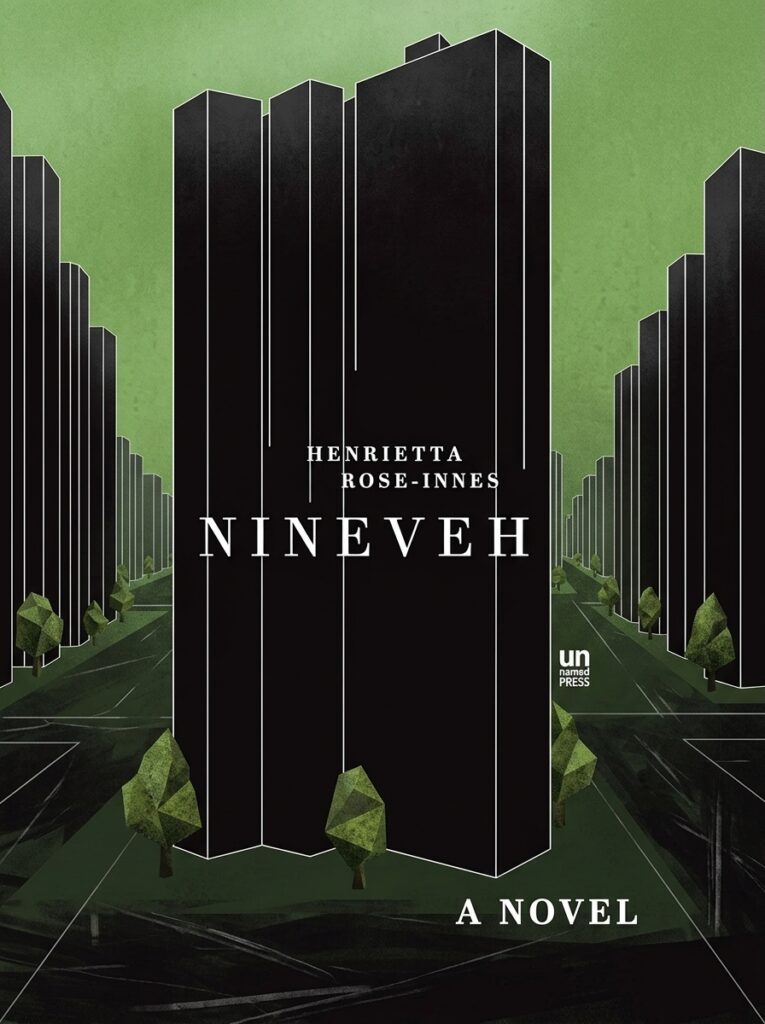
The relationship between urban decay, natural resilience, and the changing physical layout of South African coastal cities provides a fascinating lens into the country’s daily governance and survival. Henrietta Rose-Innes explores this theme beautifully in her atmospheric novel, Nineveh.
Set in the expanding suburbs and wetlands of Cape Town, the plot follows a specialized pest relocation professional tasked with clearing an invasive insect infestation from a brand-new, luxury eco-estate that has fallen into disrepair. The book functions as a gorgeous allegory for the broader challenges of urban development, modern architecture, and the constant, unpredictable way nature reclaims human spaces. It is an excellent read for remote workers who appreciate the physical aesthetics and unique architectural history of the Western Cape.
The Rhythms and Adjustments of Local Community Life
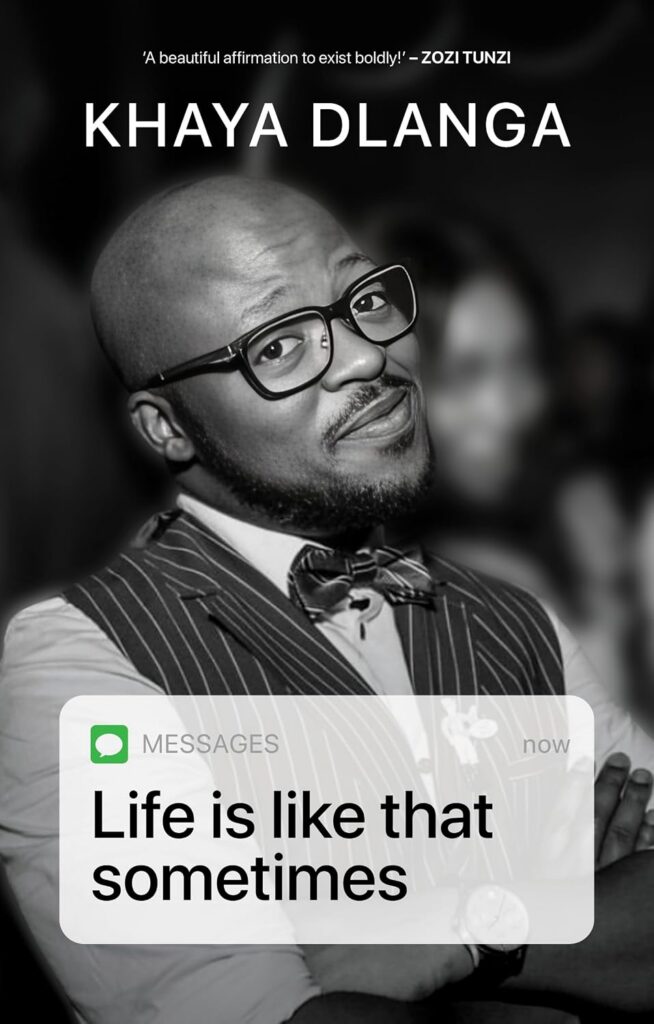
Gaining an authentic appreciation for the South African worldview requires stepping away from the polished corporate districts and looking closely at the domestic lifestyle, humor, and everyday struggles of local neighborhoods. Khaya Dlanga captures this spirit effortlessly in his popular essay collection, Life Is Like That Sometimes.
Dlanga utilizes a conversational, highly engaging narrative style to reflect on his personal journey from a rural village in the Eastern Cape to the peak of the media and advertising industry in Johannesburg. The book moves fluidly between personal anecdotes and sharp commentary on modern cultural trends, race relations, and the power of local community support systems. Immersing yourself in these local perspectives helps build a more meaningful connection to the environment, making it far easier to transition into the social lifestyle found when exploring the regional creative communities and co-working hubs across South Africa’s coastal hubs.
Disclaimer: This post contains affiliate links. If you make a purchase through these links, I may earn a small commission at no extra cost to you. Thank you for supporting my work!