Gauteng: The Energy, Beats, and Beginnings of the New South Africa
For travelers landing in South Africa, Gauteng is far more than a transit hub. It is the raw, high-octane engine room of modern African culture. While it lacks the oceans of the coast, it makes up for it with a magnetic, sophisticated energy, trendsetting culinary artistry, and a nightlife scene that sets the musical tempo for the entire continent. If you want to understand where South Africa is going, you have to start where it all began.
The Culinary and Nightlife Capital of Cool
Forget traditional dining concepts. In Johannesburg and Pretoria, food is an immersive cultural experience. The culinary landscape centers around upscale urban districts like Rosebank, Melrose Arch, and Pretoria East, where contemporary pan-African bistros fuse indigenous flavors with modern fine dining. Think perfectly grilled springbok loin paired with rich, local chakalaka reductions.
When the sun sets, the city undergoes an electric transformation. This is the birthplace of Amapiano and Afro-house music. Adults looking for an upscale, high-energy night out can bypass the standard club scenes and head straight for the sophisticated rooftop bars in Braamfontein or design-forward jazz lounges in Rosebank. The social scene here feels vibrant, creative, and unapologetically stylish, attracting a beautifully dressed local crowd.
Walking Through the Crucible of Liberation History
Gauteng’s history is deep, complex, and emotionally charged. A visit here offers an essential, unvarnished look at the country’s journey to democracy. The Apartheid Museum provides a multi-sensory, moving exploration of the rise and fall of state-sanctioned segregation, while Constitution Hill allows you to stand inside the notorious old prison complex that once held both Nelson Mandela and Mahatma Gandhi, now transformed into the highest constitutional court in the land.
High-Altitude Nature and Malaria-Free Safaris
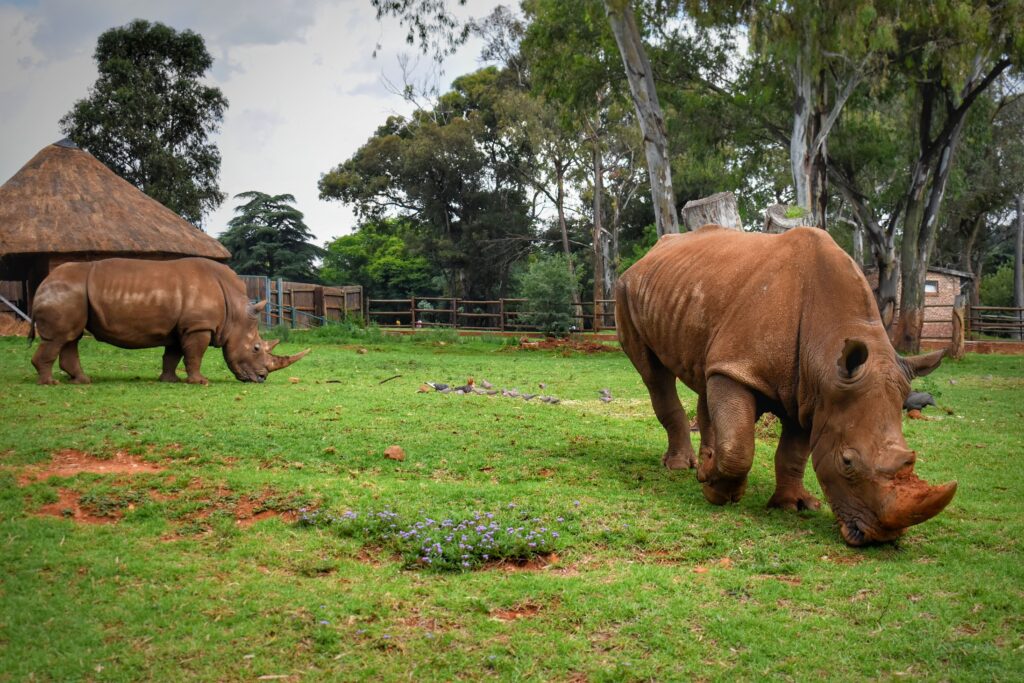
Despite being a massive urban economic hub, Gauteng is surprisingly green. In fact, Johannesburg boasts the largest man-made urban forest canopy in the world. For nature lovers, a short drive out of the city center reveals rolling savannahs and pristine geological sites. The region offers excellent, malaria-free wildlife viewing at the Dinokeng Game Reserve, where you can sip a sundowner while watching a pride of lions traverse the bushveld, all within an hour of the metropolitan center.
Only Found in Gauteng
The Cradle of Humankind: A UNESCO World Heritage site holding the world’s richest concentration of hominid fossils, where you can descend into ancient limestone caves to see where humanity took its very first steps.
Vilakazi Street in Soweto: The only street on the planet to have been home to two Nobel Peace Prize laureates, Nelson Mandela and Archbishop Desmond Tutu, now transformed into a bustling boulevard of live street performance and local eateries.
Where to Stay
Days 1 & 2 (Johannesburg): The Peech Hotel (Melrose) or 54 on Bath (Rosebank). Both offer chic, leafy boutique environments tucked away from the city bustle, right next to the best dining and nightlife districts.
Day 3 (Dinokeng): Mongena Game Lodge. A refined bush lodge inside the reserve featuring classic safari style and direct access to Big Five territory.
The Itinerary: Days 1 to 3
Day 1: Touch down at OR Tambo International. Base yourself in upscale Rosebank or Melrose. Spend your evening exploring contemporary African menus and premium cocktail lounges.
Day 2: Take a guided tour of Soweto’s Vilakazi Street, followed by an afternoon of deep reflection at the Apartheid Museum. Spend the evening enjoying live jazz and Afro-beats in the city center.
Day 3: Head north to explore the ancient caves at the Cradle of Humankind. In the afternoon, check into your safari lodge and take a game drive through Dinokeng Game Reserve for your first taste of the Big Five.
Next Stop: Catch an early morning flight from Johannesburg to King Shaka International in Durban to unlock Part 2: KwaZulu-Natal.